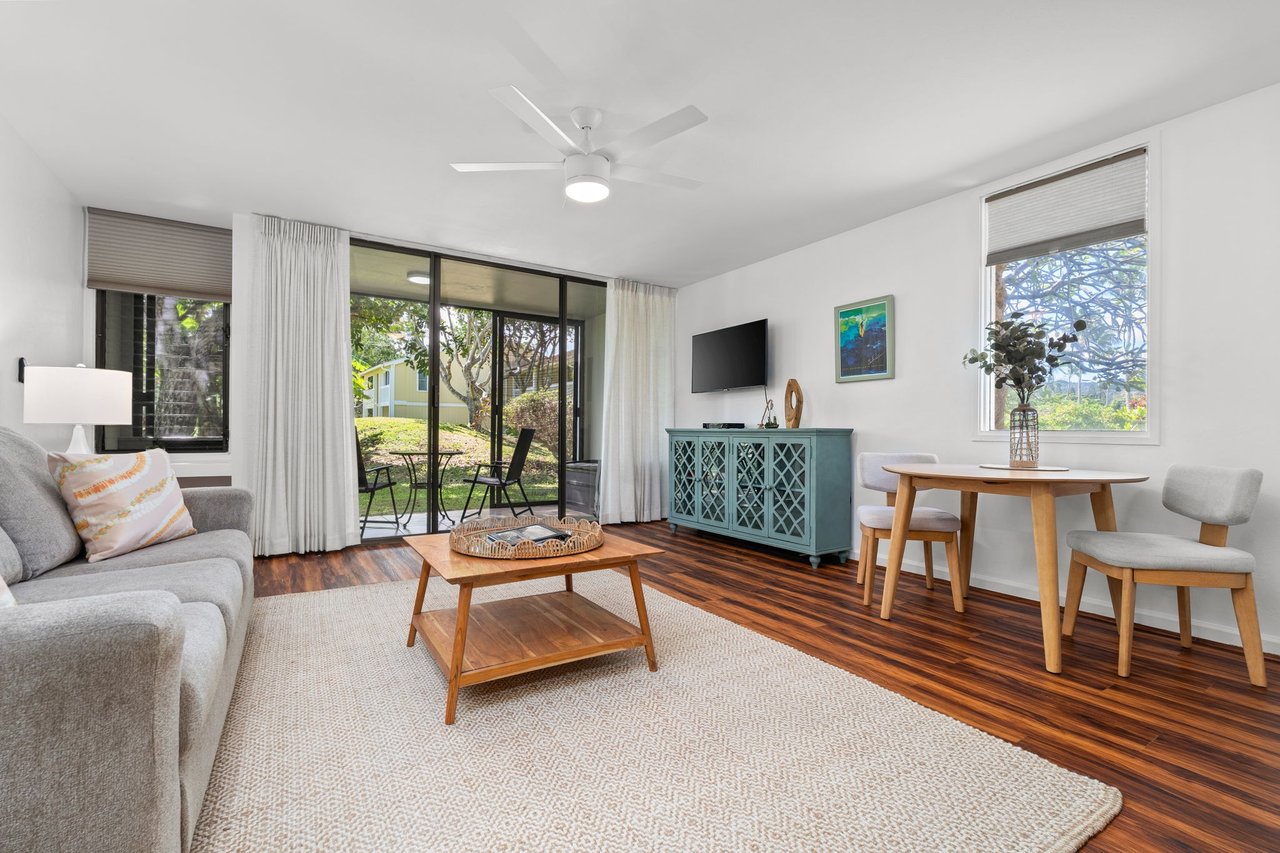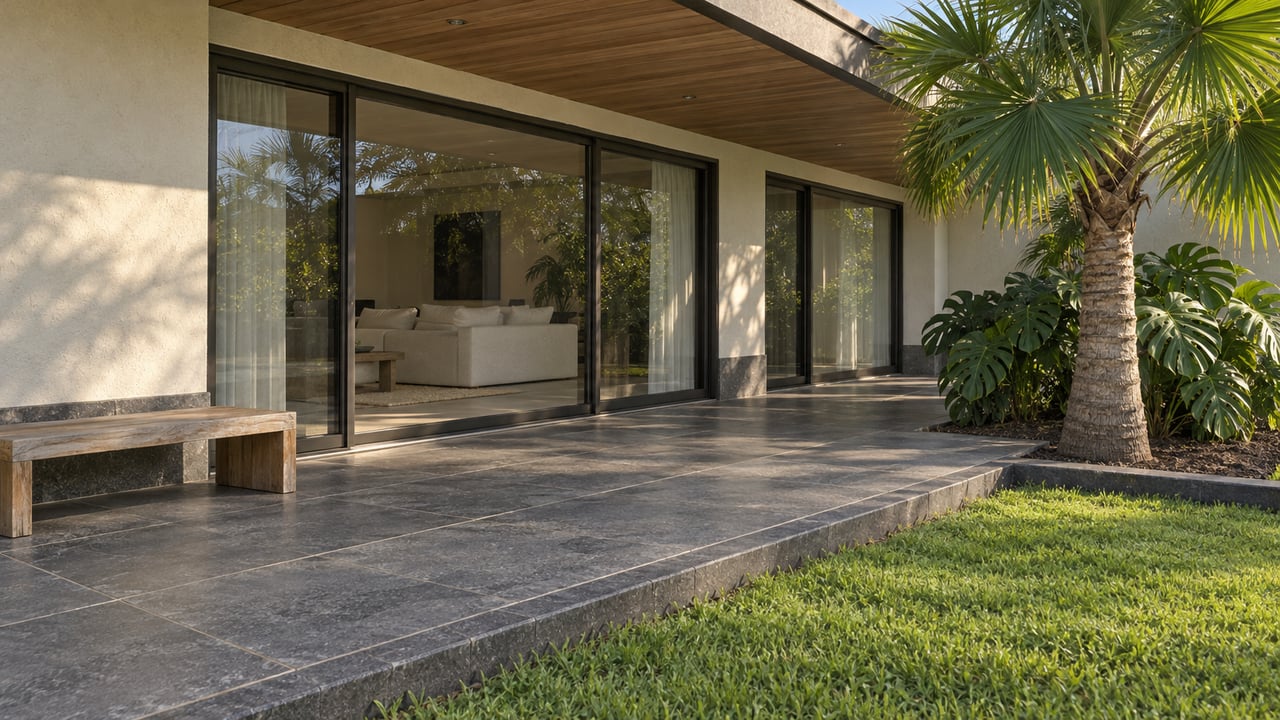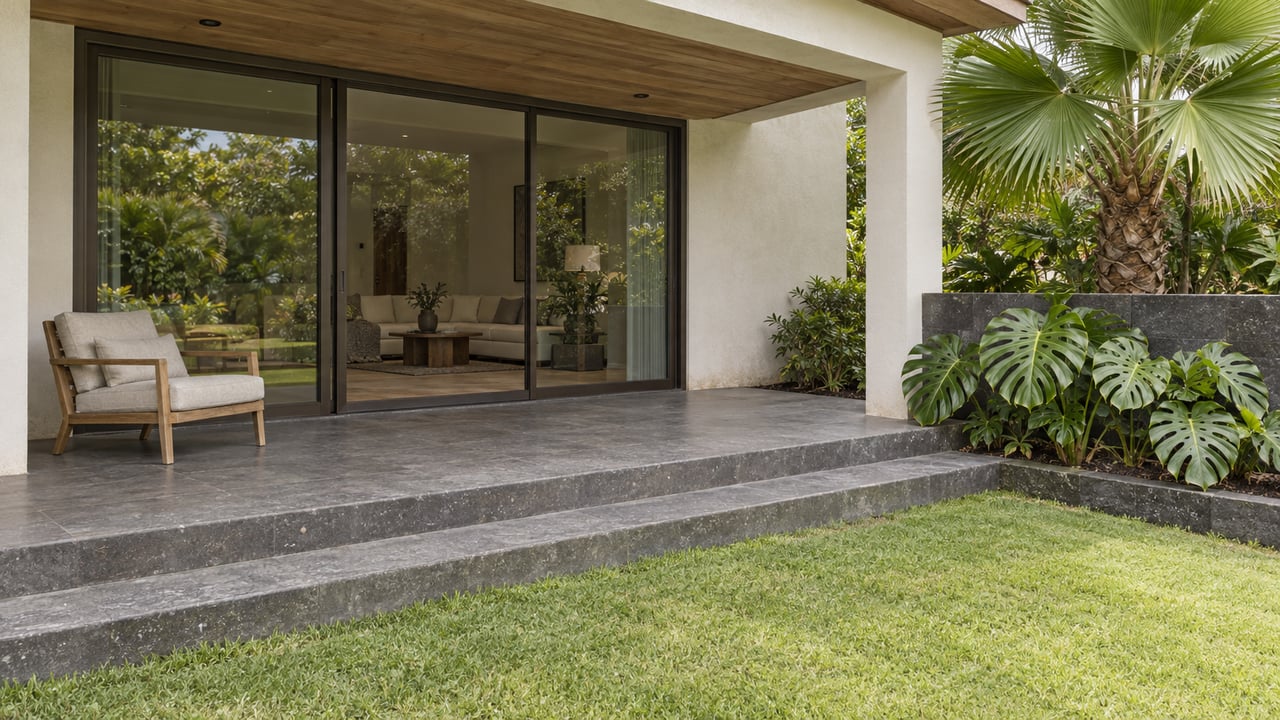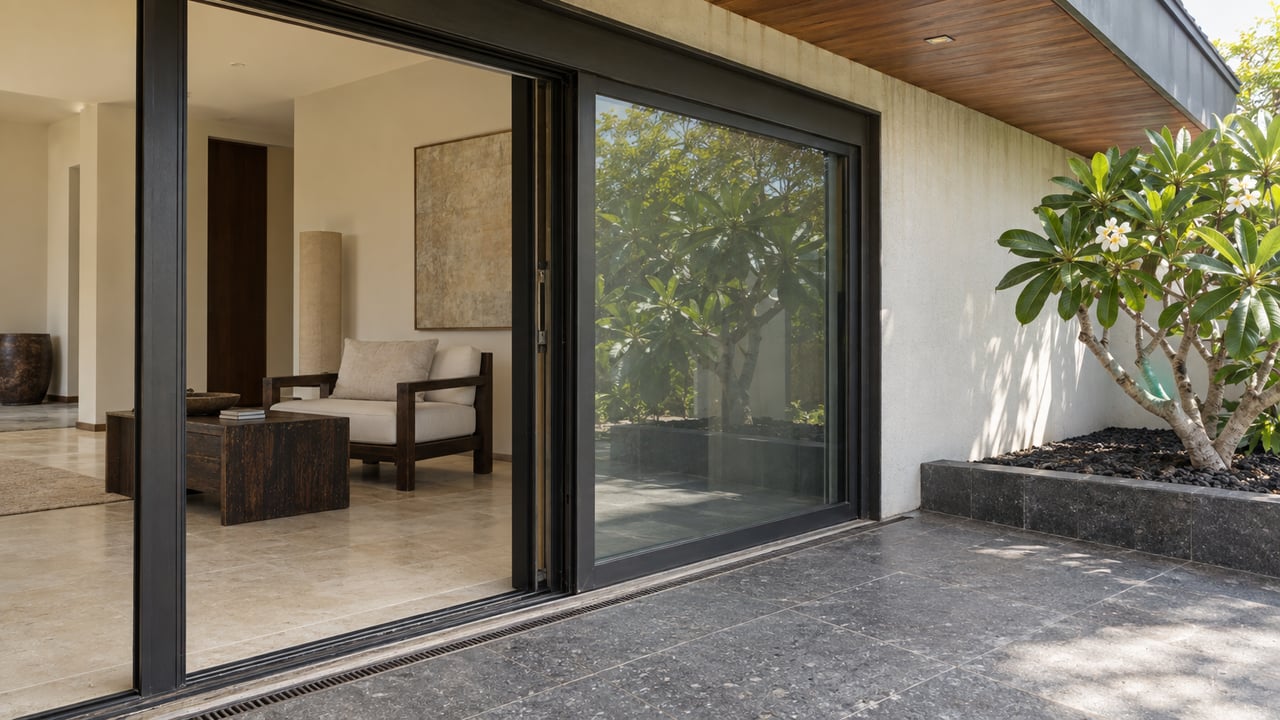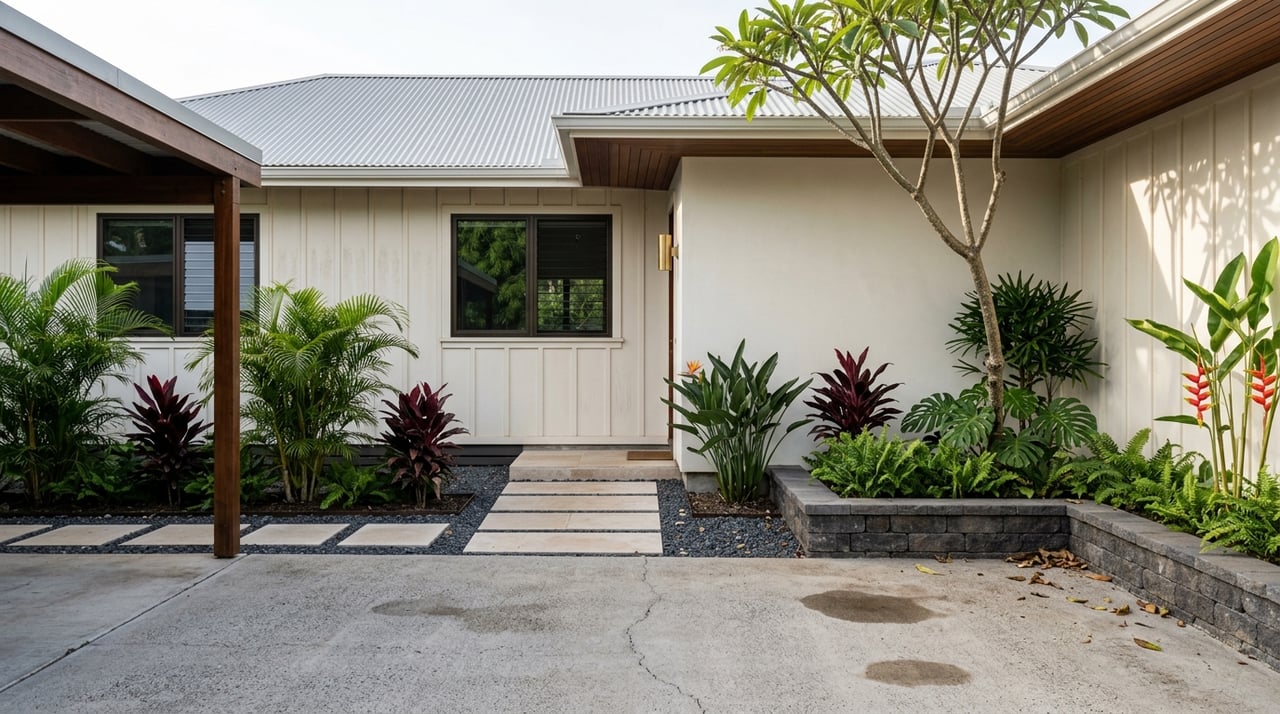
If you are looking at Waialua single-family homes, you are probably weighing more than price alone. You may want a place to put down roots, a long-term North Shore hold, or a property that balances lifestyle with practical value. In a market shaped by limited housing supply, local planning rules, and a distinct small-town identity, understanding the details matters. Let’s dive in.
Why Waialua Stands Apart
Waialua is part of Oʻahu’s North Shore, but it offers a different feel from the busier commercial areas nearby. Local planning materials describe Waialua and Haleʻiwa as country towns with deep agricultural, plantation-era, and Native Hawaiian roots, and they specifically call for preserving Waialua’s plantation character.
That matters if you are buying for the long term. Waialua is not defined by dense development or a fast-changing urban pattern. Instead, its appeal comes from its lower-density setting, established residential character, and connection to North Shore lifestyle amenities.
For local households, that can mean a place that feels grounded and residential. For investors, it can mean a scarce asset in a location that holds value because of setting, land constraints, and enduring lifestyle demand.
What Single-Family Housing Looks Like
Waialua does not follow one uniform subdivision pattern. Oʻahu zoning standards set minimum lot sizes of 5,000 square feet in R-5 districts, 7,500 square feet in R-7.5, and 10,000 square feet in R-10 for one-family detached homes, and Waialua planning documents reference both R-5 and R-10 in parts of the town plan area.
In practical terms, that means you may see a mix of lot sizes and home layouts as you search. Some properties feel more compact and town-centered, while others offer larger lots and a more open residential footprint.
The housing character also tends to reflect Waialua’s history. Historic Hawaiʻi sources point to plantation-era homes that were simple, climate-adapted, and built with features like lanais and cross-ventilation, while postwar ranch homes became a common single-family style across Hawaiʻi.
If you tour homes in Waialua, you may notice that mix firsthand. Older plantation-influenced homes, postwar ranch properties, and newer infill homes can all be part of the local inventory. That gives buyers a wider range of options, but it also means each property deserves careful review on condition, layout, lot utility, and fit for your goals.
Why Waialua Appeals to Local Buyers
For many local buyers, Waialua offers something that is increasingly hard to find on Oʻahu: a residential North Shore setting with a country-town feel. The area’s planning framework emphasizes continuity with existing town patterns rather than major expansion, which supports a more stable neighborhood identity over time.
That can make Waialua especially appealing if you want to stay close to North Shore beaches, parks, and resident services while living outside the most visitor-oriented retail areas. The Waialua Town Master Plan identifies Waialua as a center for resident services, while nearby Haleʻiwa has become more tourist-oriented in its retail base.
For buyers thinking long term, that distinction is useful. Waialua often reads as a quieter residential base within the broader North Shore corridor, which can be a strong match if your priority is day-to-day livability rather than constant activity.
What the Data Suggests About Demand
Waialua has long shown signs of being a primarily residential community. A 2010 DBEDT and Census profile reported 1,270 housing units, with 58.1% owner-occupied and 3.1% used for seasonal, recreational, or occasional use.
That is not current inventory data, but it does offer a helpful historical clue. It suggests that Waialua has not been dominated by seasonal use and has maintained a meaningful base of owner-occupants over time.
The broader North Shore housing picture also points to a mixed but relatively tight market. DBEDT’s 2024 Data Book shows 7,325 housing units in the North Shore area in 2020, a 47.8% homeownership rate, and a 7.0% rental vacancy rate.
For you as a buyer or small investor, the takeaway is simple: this is not a market flooded with excess supply. Waialua sits in a housing environment where residential demand, lifestyle value, and limited density all shape the market tone.
What Investors Should Focus On
If you are considering Waialua as an investment, the strongest case is usually long-horizon ownership. This is generally less about chasing quick turnover and more about owning a single-family home in a low-density North Shore setting where land, legal use, and hold quality matter.
That approach fits the area’s planning reality. The North Shore is not positioned as a high-density growth corridor, and Waialua’s planning framework favors preserving local character rather than large-scale new housing expansion.
For a small investor, that shifts the underwriting mindset. Instead of looking first at maximum unit count or aggressive short-stay assumptions, it often makes more sense to evaluate:
- Lot size and zoning context
- Existing home condition and renovation needs
- Long-term rental potential where allowed
- Owner-occupancy flexibility
- Future resale appeal tied to location and neighborhood character
In Waialua, the land and legal profile can matter just as much as the home itself.
Short-Term Rental Rules Matter
This is one of the biggest areas where buyers need clarity before they make an offer. On Oʻahu, Honolulu’s current ordinance requires registration and annual renewal for bed-and-breakfast homes and transient vacation units, and that registration is not transferable.
The ordinance also requires insurance coverage and tax licenses. For bed-and-breakfast homes, it also requires evidence of a real property tax home exemption.
The city may deny or revoke registration for repeated violations or neighborhood impacts. In residential, country, and apartment districts, house rules for nonconforming uses must include quiet hours from 10:00 p.m. to 7:00 a.m. and must prohibit transient occupants from parking on nearby public streets.
This means you should not assume a property can support short-term rental income just because it is on the North Shore. Legal use status needs to be confirmed carefully, and any investor projections should be built on what the parcel is actually allowed to do.
Tax Planning for Short Stays
If a property is rented for less than 180 days, the City and County of Honolulu imposes a 3% Oʻahu Transient Accommodations Tax on rental proceeds or fair-market rental value. That adds another layer to operating costs and compliance.
For many Waialua buyers, the more conservative starting point is owner-occupancy, long-term rental use, or another use that is clearly allowed for the property. That does not make the investment case weaker. In many situations, it makes the analysis more realistic.
A disciplined buyer usually benefits from treating any short-stay scenario as something to verify, not something to assume.
How to Evaluate a Waialua Home
Whether you are buying for your household or for investment, it helps to assess Waialua homes through both a lifestyle lens and a property-performance lens. In this market, those two are closely connected.
Here are a few smart questions to ask as you compare homes:
Is the lot usable for your goals?
Lot size is only part of the story. You also want to understand shape, access, setbacks, and how the home sits on the parcel.
Does the home match Waialua’s market?
Some buyers want historic charm or plantation-era character. Others prefer the simplicity of a ranch layout or the convenience of newer infill construction.
The right fit depends on whether your priority is immediate move-in ease, renovation upside, or long-term hold appeal.
What is the realistic use case?
If you are buying as an investor, you need a clear operating plan based on the property’s legal use and expected carrying costs. If you are buying as an owner-occupant, think about how well the home supports daily living, storage, parking, and outdoor use.
How does the location function day to day?
Waialua’s appeal is rooted in its residential identity. A home’s location within the area can shape your access to parks, services, and the broader North Shore corridor, so it helps to evaluate convenience as well as curb appeal.
Why Local Guidance Matters in Waialua
Waialua rewards careful buying. Two homes with similar square footage can offer very different value once you factor in lot pattern, zoning context, property condition, and legal use.
That is especially true for buyers trying to balance lifestyle goals with investment logic. A calm, detail-oriented strategy can help you avoid assumptions and focus on what will actually support your long-term plans.
In a market like this, local knowledge is not just helpful. It can shape how confidently you move, what risks you avoid, and how well your purchase fits your life or portfolio.
If you are considering a Waialua single-family home for your household or as a long-term investment, working with a trusted local advisor can make the process far more clear. For personalized guidance on North Shore opportunities, reach out to Diana Ricciuti.
FAQs
What makes Waialua single-family homes different from other North Shore properties?
- Waialua is shaped by a country-town planning framework, a residential setting, and a mix of older plantation-influenced homes, postwar ranch homes, and newer infill properties.
Are Waialua single-family homes mainly owner-occupied or second homes?
- Historical DBEDT and Census data from 2010 showed Waialua as mostly owner-occupied, with a smaller share of homes used for seasonal, recreational, or occasional use.
Can you use a Waialua single-family home as a short-term rental?
- You should verify legal use very carefully, because Honolulu requires registration and annual renewal for bed-and-breakfast homes and transient vacation units, and registration is not transferable.
What should investors focus on when buying a Waialua single-family home?
- Investors should usually focus on long-term hold potential, legal use, lot characteristics, condition, and realistic operating assumptions rather than speculative nightly rental income.
Are lot sizes the same across Waialua single-family neighborhoods?
- No. Waialua planning and zoning context suggest a mix of lot sizes, including areas tied to R-5 and R-10 standards, so parcel size and layout can vary.
Is Waialua a good fit for local buyers who want long-term roots?
- Waialua can appeal to buyers seeking a quieter residential North Shore setting, access to parks and services, and a community identity shaped by long-standing local character.