If you are drawn to Oʻahu’s North Shore, Haleʻiwa often stands out right away. It has the kind of setting that feels both rooted and livable, where plantation-era character, ocean access, and day-to-day essentials come together in one small town. If you are wondering what it is actually like to live here, this guide will help you understand the lifestyle, housing patterns, and practical details that shape Haleʻiwa today. Let’s dive in.
Why Haleʻiwa Feels Distinct
Haleʻiwa is widely recognized as the North Shore’s cultural hub and a historic surf town on Oʻahu. According to Go Hawaiʻi’s Haleʻiwa guide, the town is known for surf shops, boutiques, art galleries, and relaxed restaurants set within plantation-era buildings.
That mix matters when you think about daily life here. Haleʻiwa does not feel like a generic beach town or a large suburban center. Instead, its identity comes from a preserved historic core, a strong connection to the ocean, and a rural North Shore setting that still supports modern comfort in practical ways.
Historic Character Shapes the Town
One of the biggest reasons Haleʻiwa feels so memorable is that preservation has remained a priority. The town’s historic district framework was created to help keep new development compatible with the area’s rural character, and North Shore development is also evaluated against the adopted sustainable communities plan for the region, as noted by the North Shore Chamber walking tour history.
For you as a buyer or homeowner, that means the built environment tends to evolve carefully. In Haleʻiwa, charm is not just a branding idea. It is tied to real policies and long-standing community efforts to maintain scale, context, and architectural continuity.
The Historic Hawaiʻi Foundation also highlights early-20th-century residences on Kamehameha Highway and the Surf n Sea Building as important parts of Haleʻiwa’s historic fabric. These older structures help explain why the town feels layered and authentic rather than newly manufactured.
Daily Conveniences in a Small-Town Core
Haleʻiwa’s commercial center is compact, which is part of its appeal. You are not looking at a major retail district with endless blocks of chain stores. Instead, the town center offers a smaller collection of shops, restaurants, services, and local businesses that support both residents and visitors.
According to Haleʻiwa Town Center, the directory includes practical stops such as Longs Drugs and banks alongside galleries, retail shops, and restaurants. The center also notes amenities like parking and restrooms, which may sound simple, but they make everyday errands easier in a destination area that sees regular visitor traffic.
That balance between local character and convenience is a big part of modern comfort in Haleʻiwa. You can enjoy the North Shore atmosphere while still having access to essential services close to town.
Shops, Food, and Community Rhythm
Haleʻiwa living also comes with recognizable local touchpoints that shape the town’s rhythm. Go Hawaiʻi points to Matsumoto’s shave ice as one of the best-known stops in town, and the broader commercial area includes boutiques, galleries, and casual dining options that keep the district active throughout the week.
Community events add another layer of local identity. The North Shore Chamber calendar features recurring gatherings such as an Easter Egg Hunt, 4th of July festival and fireworks, Christmas tree lighting, and a Christmas parade. Those events help show that Haleʻiwa is more than a scenic stop. It is also a place with recurring traditions and a visible community calendar.
Ocean Access Is Part of Daily Life
In Haleʻiwa, the ocean is not just nearby. It is central to how many people experience the area. Whether you enjoy surfing, paddling, fishing, beach walks, or simply being close to the water, Haleʻiwa offers several ways to connect with the coastline.
Haleʻiwa Beach Park includes parking, picnic tables, restrooms, showers, bus access, and a lifeguard. Go Hawaiʻi notes that its calmer waters are often preferred by swimmers and beginning surfers, which makes it one of the more approachable beach settings in the area depending on ocean conditions.
Nearby, Haleʻiwa Aliʻi Beach Park serves a different role. Go Hawaiʻi describes it as more geared toward bodyboarding, fishing, and surfing, with winter waves that can exceed 25 feet. The same source also notes recurring ocean safety concerns such as rip currents, which is an important part of understanding North Shore waterfront living.
Haleʻiwa as a North Shore Base
Another reason buyers are drawn to Haleʻiwa is its position within the broader North Shore. From town, you are close to the surf corridor that includes Waimea Bay, ʻEhukai/Banzai Pipeline, and Sunset Beach, all referenced in Go Hawaiʻi’s North Shore overview.
That does not mean every resident is a dedicated surfer. It does mean Haleʻiwa works well as a practical home base for people who value ocean-oriented living and want easy access to some of Oʻahu’s best-known coastal settings. For many buyers, that combination of everyday livability and iconic surroundings is hard to duplicate.
Harbor Access Adds Flexibility
Haleʻiwa Harbor expands the lifestyle beyond the beach parks. According to the State of Hawaiʻi DLNR harbor page, the harbor includes 96 berths, 23 moorings, three boat-launch ramps, loading docks, a fish hoist, dry storage, and restrooms.
Those features support boating, fishing, and charter activity in and around the harbor district. If you want a North Shore location with meaningful water access infrastructure, not just scenic shoreline, Haleʻiwa stands out.
What Housing Looks Like in Haleʻiwa
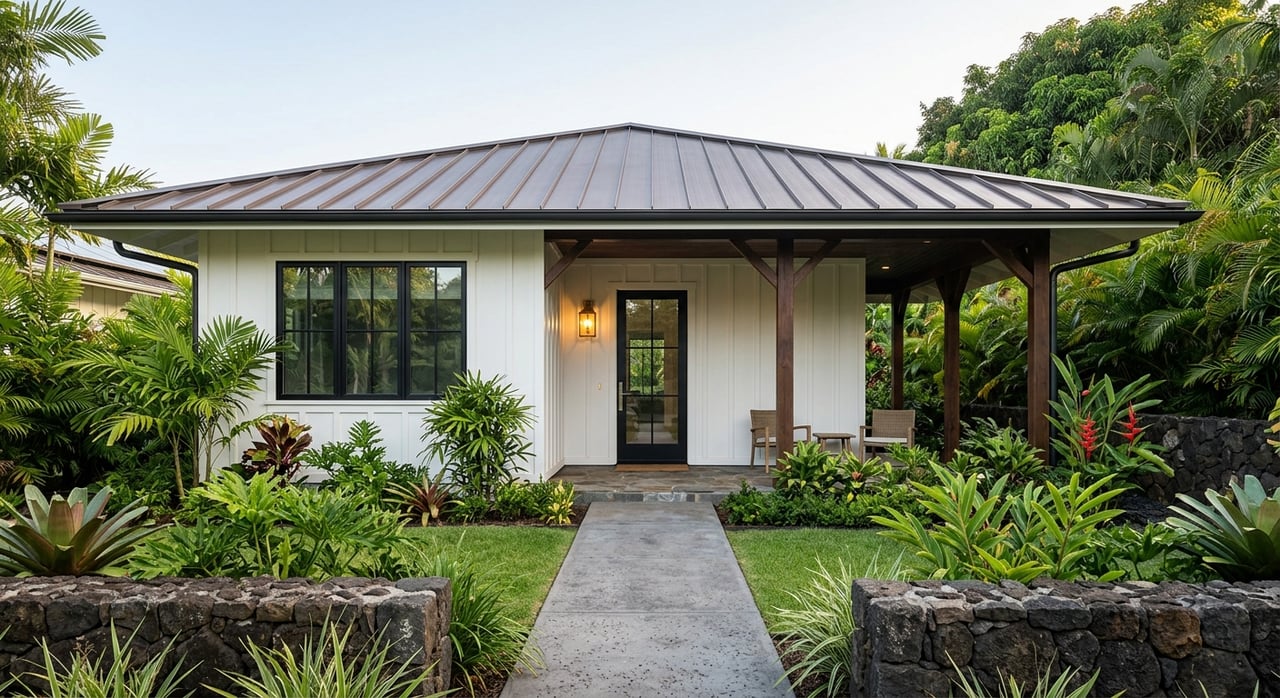
Haleʻiwa’s housing story is shaped by preservation, low-scale development, and context-sensitive growth. The area is not defined by large new subdivisions or a long list of high-density projects. Instead, the housing mix tends to reflect older homes, limited infill, and a small number of more specific product types.
The Historic Hawaiʻi Foundation highlights remaining plantation-style homes, while planning guidance summarized in the research points to additional housing being limited to areas contiguous to Haleʻiwa and Waialua and guided by rural design principles. In practical terms, that means buyers looking in and around Haleʻiwa often need to think in terms of compatibility, location, and scarcity rather than expecting broad modern inventory.
Newer Development Is More Selective
If you are picturing large amounts of new construction in the center of town, Haleʻiwa may feel more restrained than expected. The North Shore planning framework places real emphasis on design compatibility and context, which tends to support infill and careful evolution rather than sweeping redevelopment.
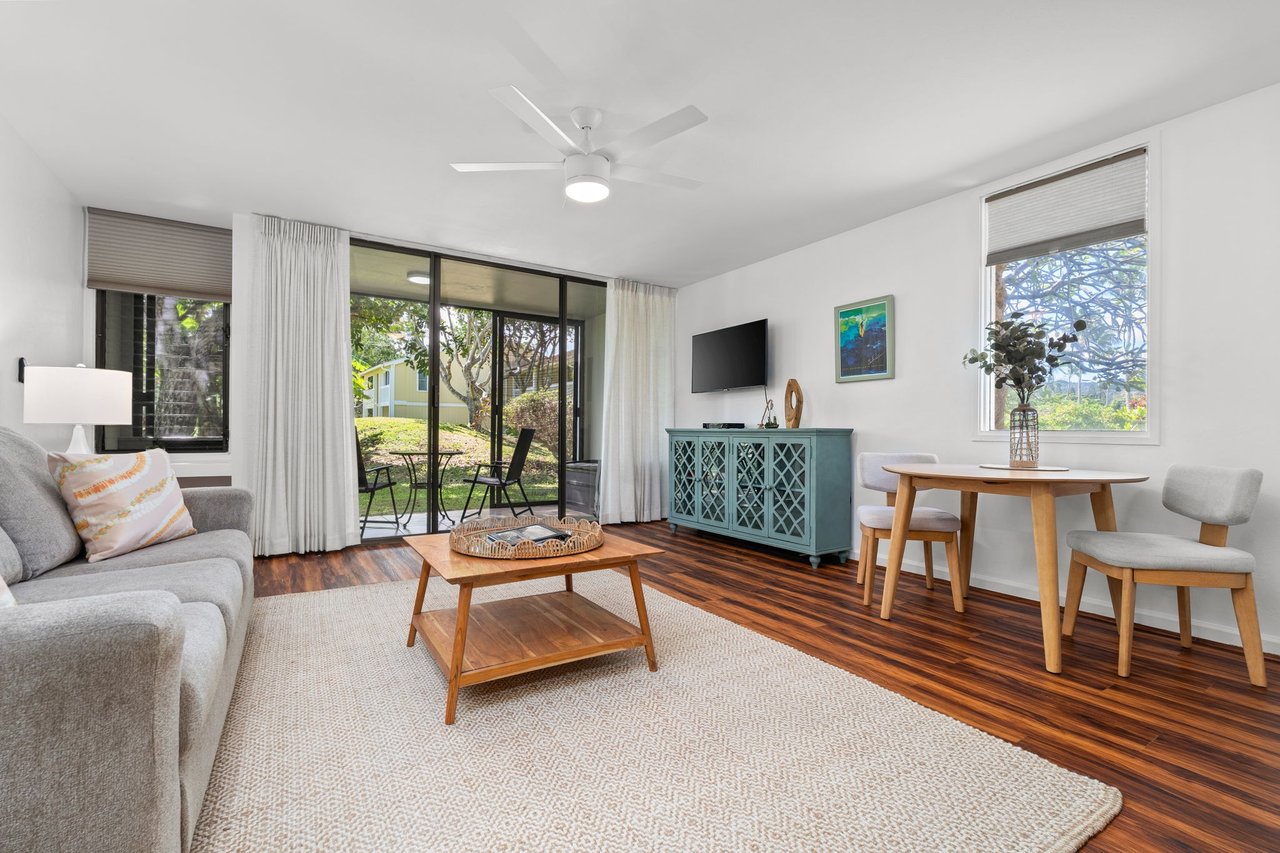
That is part of what protects the area’s appeal. It also means that modern comfort in Haleʻiwa often shows up in updated interiors, carefully improved homes, or thoughtfully positioned properties near town, rather than in large-scale master-planned growth.
Condo Options Are Limited
Condominium living exists in Haleʻiwa, but it appears to be a niche segment rather than the dominant housing pattern. A City planning technical report references Haleʻiwa Surf as a beachfront condo complex, which supports the idea that condo choices are relatively limited and concentrated.
For you, that can be important if you are comparing Haleʻiwa with areas on Oʻahu that offer broader condo inventory. In Haleʻiwa, single-family and low-scale residential character remain a major part of the overall housing experience.
Seasonal Lifestyle Matters Here
Haleʻiwa’s weather is generally pleasant year-round, but the seasonal ocean rhythm is worth understanding. According to Go Hawaiʻi’s weather information, the North Shore’s big-wave season typically runs from November through February, while summer brings calmer surf conditions that are often better suited for beach days.
That seasonal shift changes how the area feels. Winter can bring more dramatic surf energy and stronger ocean conditions, while summer tends to support a calmer beach-going pattern. For many buyers, that is part of the appeal, but it is also a practical lifestyle factor to keep in mind when choosing a property and planning daily routines.
What Haleʻiwa Living Offers You
If you want a place that blends history, ocean access, and everyday usability, Haleʻiwa offers a very specific kind of North Shore life. You get a town with a preserved identity, a manageable commercial core, nearby beaches and harbor access, and housing shaped by low-scale planning rather than heavy redevelopment.
That combination can be especially appealing if you value character and setting as much as square footage. Haleʻiwa is not trying to be everything at once. It offers a more grounded version of coastal Oʻahu living, where historic texture and modern comfort can exist side by side.
If you are exploring Haleʻiwa or thinking about buying or selling on the North Shore, working with a local advisor can help you understand the nuances that make this market different. To start the conversation, connect with Diana Ricciuti for personalized guidance tailored to your goals.
FAQs
What is daily life like in Haleʻiwa Town?
- Daily life in Haleʻiwa centers on a compact town core with shops, restaurants, galleries, basic services, and close access to beaches, the harbor, and the broader North Shore.
What makes Haleʻiwa different from other Oʻahu beach communities?
- Haleʻiwa stands out for its historic district character, plantation-era buildings, preserved rural feel, and strong connection to North Shore surf culture.
What types of homes can you find in Haleʻiwa?
- Haleʻiwa housing generally reflects low-scale residential patterns, including older homes, limited infill opportunities, and a small number of condo options.
Are condo options common in Haleʻiwa?
- Condo living exists in Haleʻiwa, but it is relatively limited compared with many other parts of Oʻahu.
What should buyers know about ocean conditions near Haleʻiwa?
- Ocean conditions can vary significantly by season, with larger winter surf on north-facing shores and recurring safety concerns such as rip currents.
Is Haleʻiwa a good base for North Shore recreation?
- Haleʻiwa offers convenient access to beach parks, surf areas, and harbor facilities, making it a practical base for many ocean-oriented activities on the North Shore.