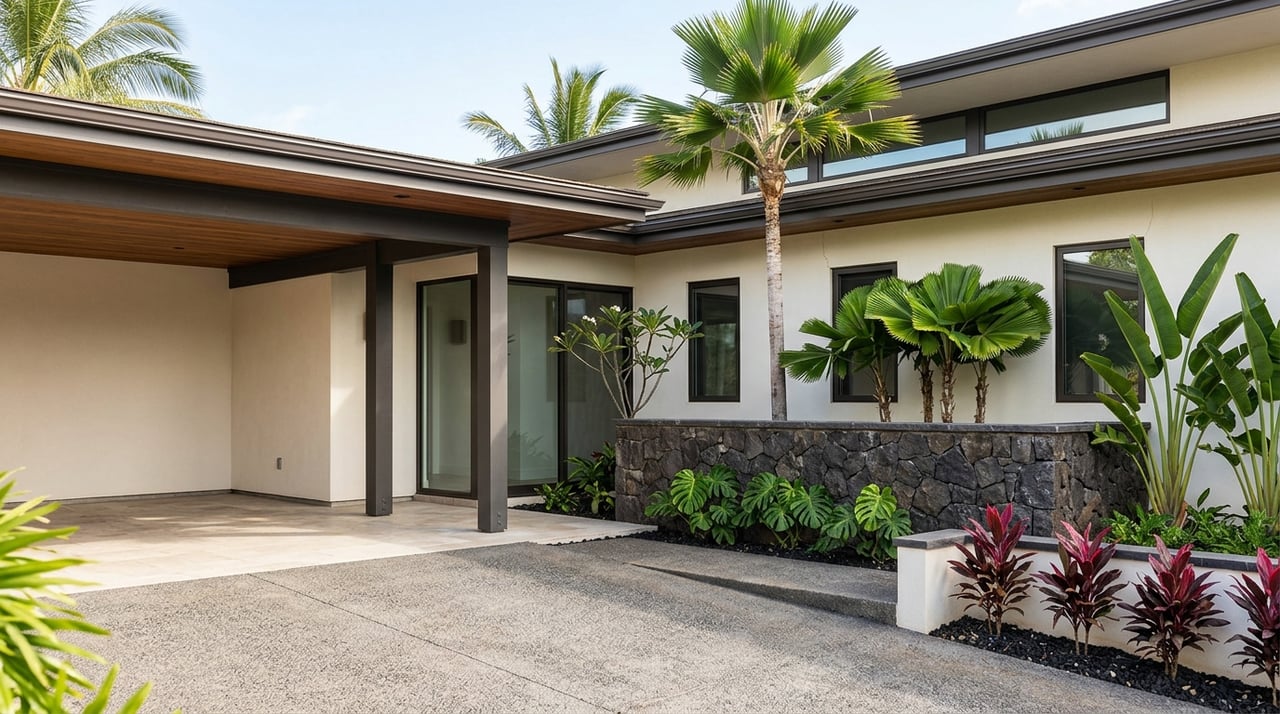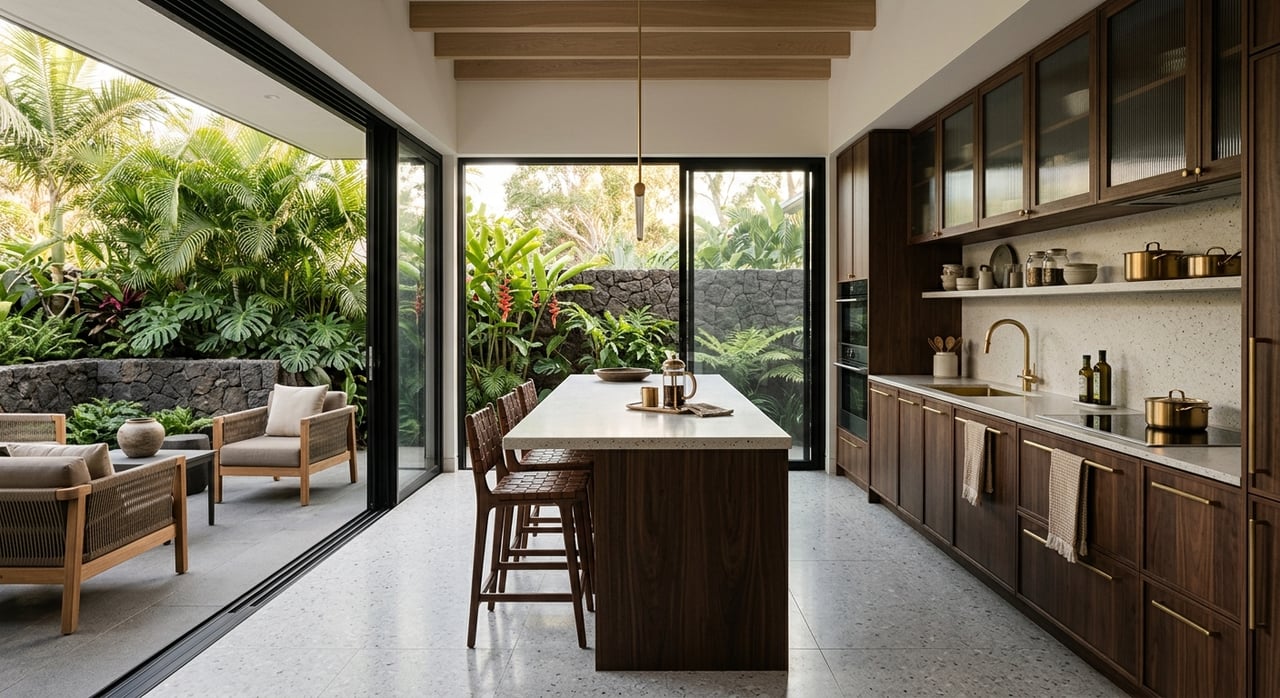
A Turtle Bay villa can look like the ideal hands-off Hawaiʻi investment at first glance. You see resort scenery, strong guest appeal, and a North Shore address that travelers actively seek out. But if you are buying for vacation-rental income, the real question is not just whether the property is beautiful. It is whether the specific unit, building, and operating setup truly support your investment plan. Let’s dive in.
Why Turtle Bay draws vacation guests
Turtle Bay has the kind of destination setting that appeals to leisure travelers who want an experience, not just a place to sleep. Resort materials say the campus spans nearly 1,300 acres, includes five miles of coastline and 12 miles of trails, and sits about 55 minutes from Honolulu airport.
That scale matters if you are thinking like an investor. Guests are not choosing Turtle Bay for urban convenience. They are choosing it for the North Shore lifestyle, with access to beaches, golf, trails, spa services, horseback riding, surf activities, biking, tennis, pickleball, pools, and dining in one resort-centered location.
The location also shapes the guest profile. Turtle Bay is near Haleʻiwa, Waimea Valley, and well-known surf areas, while the resort notes that taxi and ride-share options are limited on the North Shore. In practical terms, that makes Turtle Bay a better fit for guests who want a car-friendly resort stay than for visitors expecting a highly walkable city experience.
Why building choice matters
Not every Turtle Bay condo project fits the same investment thesis. If you are underwriting a managed vacation rental, the building itself may matter as much as the view, floor plan, or finishes.
Honolulu’s current short-term rental system is only open to resort-zoned areas. The Department of Planning and Permitting says short-term rentals are permitted only in resort-zoned areas, and owners should confirm a unit’s status through the STR Eligibility Map or request zoning verification if needed.
That means you should avoid broad assumptions like “all Turtle Bay condos work as vacation rentals.” A better approach is to evaluate each project by zoning context, owner-occupancy profile, management structure, and current unit-level eligibility.
Ocean Villas: the clearest resort-style play
Among the Turtle Bay condo options in the research, Ocean Villas stand out as the most obvious fit for a vacation-rental strategy. DCCA’s 2025 association registration shows 57 units, management by Hawaiana Mgmt Co. Ltd., and just 1.0% owner occupancy.
That low owner-occupancy figure suggests a more transient-oriented ownership pattern than the other Turtle Bay condo projects. An official 2011 DLNR filing also described Ocean Villas as B-1/Resort zoning, which aligns more naturally with a short-term rental use case.
There is another important detail here. The resort states that Ocean Villas are independently owned, and only a select number are managed directly by The Ritz-Carlton Oʻahu, Turtle Bay. For an investor, that suggests possible alignment with resort guest demand, but not automatic inclusion in a turnkey resort-managed model.
Kuilima East and West: more hybrid ownership profiles
Kuilima Estates East and Kuilima Estates West may still interest buyers, but they read differently from an investment standpoint. DCCA’s 2025 registration lists Kuilima Estates East with 168 units and 20.96% owner occupancy, while Kuilima Estates West shows 200 units and 12.0% owner occupancy.
Those percentages are materially higher than Ocean Villas. That does not tell you everything about rental legality or performance, but it does suggest more owner use and a more mixed ownership pattern.
The historical zoning signal is also different. The 2011 DLNR filing described both Kuilima East and Kuilima West as A-1 zoning. Based on the research provided, that points toward a more residential or hybrid profile and a stronger need to confirm whether a specific unit has current legal transient-rental rights before projecting vacation-rental income.
Management is not the same as rental operations
This is one of the biggest areas where buyers can get confused. Association management, rental-program management, and resort access are three separate things.
DCCA records show Hawaiana as the association manager for Ocean Villas, Kuilima Estates East, and Kuilima Estates West. That tells you who manages the condominium association, but it does not confirm who handles bookings, guest communication, cleaning, maintenance coordination, or revenue management for your unit.
The resort separately states that some Ocean Villas are managed directly by The Ritz-Carlton for guest stays. So if you are looking for a truly hands-off ownership experience, you need to verify exactly how the individual unit is operated today and what options are actually available after closing.
A unit can sit in a resort area and still require a lot of operational setup. That includes local contacts, housekeeping, maintenance response, tax registration, compliance tracking, and guest support.
Amenity access can affect guest experience
Amenity access is another detail that can shape rental performance. The resort says most amenities, including pools, cabanas, beach equipment, and complimentary resort activities, are exclusive to registered guests. It also says it does not currently offer day passes for pool use.
For Ocean Villas, the resort says direct booking through the resort website or reservations is what unlocks resort access for guest stays. That means two guests staying in similar-looking accommodations could have very different experiences depending on how the stay was booked and whether the unit participates in the right program.
At the same time, some offerings remain available to non-resort guests. Public restaurants and certain paid activities, such as golf, horseback riding, spa and salon services, and surf lessons, may still be available.
For you as an owner, this matters because guest expectations need to match the actual operating model. If a listing suggests a full resort experience but the booking path does not include key amenity access, reviews and repeat business could be affected.
Legal checks to make before you buy
Before you underwrite any short-term rental income, start with legality. Honolulu’s DPP says short-term rentals for fewer than 30 days require registration, annual renewal is required, and owners should first check the STR Eligibility Map.
If the status is not clear, the city says you should request zoning verification. The DPP also states that STR ads must include the registration license or NUC number and the TMK.
For Turtle Bay buyers, this is the core screening step. You want to know whether the specific unit is currently eligible, how it is registered if applicable, and whether the intended use matches city rules and the building’s operating reality.
Hawaiʻi taxes still apply with a manager
A property manager can simplify operations, but it does not remove the owner’s tax responsibilities. The Hawaiʻi Department of Taxation says short-term rental operators must register for GET and TAT, file periodic and annual returns, and pay GET on gross receipts plus TAT on gross rental proceeds unless an exemption applies.
The same state guidance says Oʻahu also imposes a separate 3% Oʻahu Transient Accommodations Tax, and the state TAT is 10.25%. Just as important, the department states that a property manager or third-party rent collector does not relieve the owner of tax responsibility.
That is a major point for mainland buyers who want passive ownership. Even in a managed setup, you still need clear tax handling and accurate reporting.
Best fit depends on your ownership plan
If your goal is a more hands-off, resort-based North Shore investment, Ocean Villas appear to be the strongest fit in the provided research. The smaller unit count, very low owner occupancy, and direct connection to the resort’s guest-booking ecosystem make it the clearest match for that strategy.
If your goal is more personal use, a more residential feel, or less reliance on resort guest programming, Kuilima East or West may lead to a different conversation. Their owner-occupancy profiles are higher, and the historical zoning signal is less clearly tied to a resort-transient model.
In other words, the smartest question is not “Which Turtle Bay property is best?” It is “Which specific Turtle Bay unit best matches the way you want to own, use, and operate it?”
A practical way to evaluate Turtle Bay villas
If you are comparing Turtle Bay opportunities, keep your review focused on a few key items:
- Confirm whether the specific unit is eligible for the intended rental use
- Verify current registration, if the unit is rented for fewer than 30 days
- Review how the unit is currently managed, including bookings and guest support
- Clarify what resort or paid amenity access guests actually receive
- Understand who handles cleaning, maintenance, and owner communication
- Confirm GET, TAT, and Oʻahu TAT registration and filing responsibilities
- Compare your expected personal-use schedule with the unit’s operating model
For many buyers, this is where local, hands-on guidance makes a real difference. A Turtle Bay purchase can be a strong lifestyle investment, but only when the legal, operational, and guest-experience pieces work together.
If you are weighing Ocean Villas against Kuilima East or West, or trying to understand whether a specific Turtle Bay unit can function as a managed vacation investment, a careful local review is worth doing before you commit. For tailored guidance on Turtle Bay purchases, vacation-rental operations, and owner-focused property strategy, connect with Diana Ricciuti.
FAQs
Are Ocean Villas at Turtle Bay better suited for vacation-rental investing?
- Based on the research provided, Ocean Villas appear to be the clearest fit for a vacation-rental strategy because of their resort zoning signal, low owner occupancy, and connection to the resort’s direct-booking guest program.
Can all Turtle Bay condos be used as short-term rentals?
- No. Honolulu says short-term rentals are only permitted in resort-zoned areas, and buyers should confirm eligibility for the specific unit through the city’s STR process.
Does owning at Turtle Bay automatically include resort amenity access for guests?
- No. The resort says most amenities are for registered guests, and for Ocean Villas, direct booking through the resort is what unlocks resort access for guest stays.
Does a condo association manager also handle vacation-rental bookings?
- Not necessarily. Association management is separate from rental operations, so you need to confirm who handles bookings, cleaning, maintenance, and guest communication for the specific unit.
Do Turtle Bay vacation-rental owners still owe Hawaiʻi taxes if they hire a manager?
- Yes. The Hawaiʻi Department of Taxation says owners must still register, file, and pay required taxes even when a property manager or third-party rent collector is involved.
What should buyers verify before purchasing a Turtle Bay investment property?
- Buyers should verify the unit’s rental eligibility, registration status, management setup, amenity-access rules, and tax handling before closing.